

Description
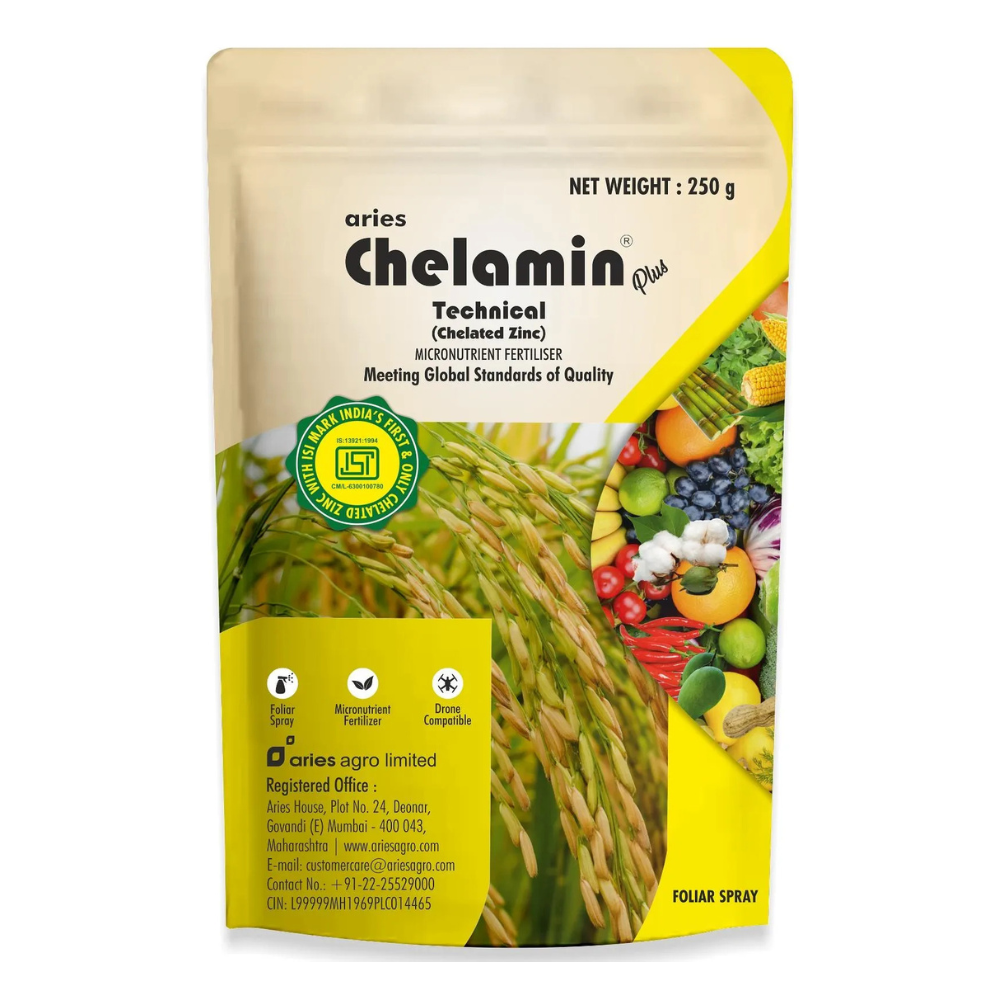
Chelamin Plus (Zn EDTA-12%)
CHELAMIN PLUS (Zn EDTA-12%) contains Zinc in the form of EDTA (ethylene diamine tetraacetic acid) at a concentration of 12%. This formulation enhances the bioavailability of zinc, making it more accessible for plant uptake.
Composition:
Zn EDTA-12%
Benefits:
1. Enhanced Nutrient Absorption: The chelation process of EDTA improves the stability of zinc in the soil, preventing it from forming insoluble compounds. This ensures a higher absorption rate by plant roots.
2. Improved Plant Health: Zinc is essential for various plant functions, including photosynthesis, protein synthesis, and hormone production. Adequate zinc levels promote robust growth, flowering, and fruiting.
3. Deficiency Correction: Chelamin Plus effectively addresses zinc deficiency symptoms, such as chlorosis (yellowing of leaves), stunted growth, and poor crop yields.
4. Favourable Soil Interaction: The chelated form of zinc helps in maintaining soil pH and nutrient balance, contributing to a healthier soil environment conducive to plant growth.
5. Compatibility with Other Nutrients: Chelamin Plus can be easily mixed with various fertilisers and pesticides, allowing for integrated nutrient management in crop production.
Recommended Crops:
Chelamin Plus is suitable for a wide range of crops, including:
- Cereals: Wheat, Rice, Maize
- Legumes: Beans, Peas, Lentils
- Vegetables: Tomato, Potato, Spinach
- Fruits: Apple, Citrus, Grapes
- Oilseeds: Sunflower, Canola
Doses:
The recommended dosage of Chelamin Plus may vary depending on the crop type, soil conditions, and the severity of zinc deficiency. However, a general guideline is:
- Foliar Application: 0.5 to 1.0 kg per hectare. Apply during the active growing season, ideally when plants are young and in their vegetative phase.
- Soil Application: 2 to 5 kg per hectare, incorporated into the soil before planting or as a top dressing during the growth cycle.
Always consider conducting a soil test to determine the specific nutrient needs of your crops and adjust the application rates accordingly for optimal results.